
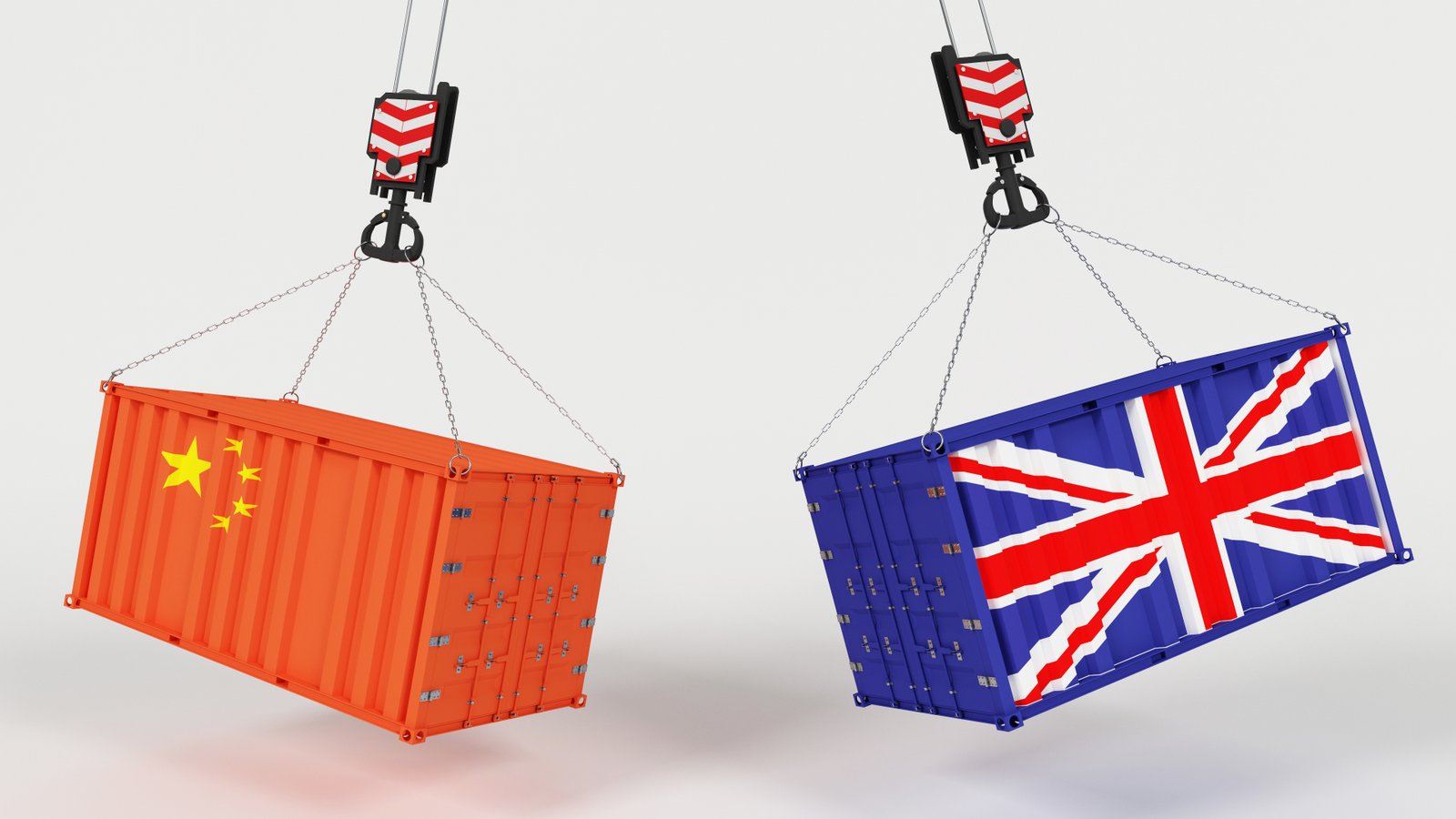
Importing from China to UK remains unbeatable for profit margins because no other manufacturing hub combines low raw material and labour costs with massive government industrial subsidies. Major Chinese factories receive state-backed industrial land and financial rebates when they hit official export sales targets, keeping their unit prices artificially low. However, for UK businesses trying to navigate this market alone without boots on the ground, the reality can be brutal: from containers arriving with empty cartons and subtle, undetectable material downgrades, to grey-channel "DDP" shipments routed through Hong Kong as generic cargo and unenforceable UK contracts signed with shell companies registered under a rural villager's name.
1. Verify Real Factories When Importing from China to UK
Many British importers assume that signing a standard contract between their UK Ltd company and a Chinese supplier protects their deposit. In practice, a cross-border UK contract holds virtually zero weight in local Chinese courts. To have real legal leverage, you must sign a domestic Chinese-jurisdiction contract directly with a legitimate entity.
Even then, rogue suppliers use a classic legal loophole: they register the company under the name of an elderly villager with zero personal assets. If the supplier disappears with your deposit or dissolves the company, suing them is useless unless you fund a complex forensic investigation to trace who actually pocketed the funds.
How to Avoid Shell Companies and Secure Tier-1 Pricing
- Target Government-Backed Manufacturers: Established factories that own their machinery and receive local government export incentives will never risk their business license over a quick scam.
- Audit the Legal Representative: Through our China Supplier Sourcing and On-Site Factory Audits, our local team cross-references Chinese government registries to verify registered capital, actual factory ownership, and litigation history before you pay a penny.
- Use Domestic NNN & Manufacturing Contracts: Visit our OEM Custom Manufacturing page to see how we lock in your product specifications under enforceable Chinese law.
2. Use Tiered Quality Control and Lab Testing Before Paying the Final Balance
One of the most common traps when importing from China to UK is "quality fade"—where a factory sends a perfect sample, but secretly uses thinner materials or ships half-empty master cartons during mass production. Because material swaps are designed to look identical to the naked eye, a basic visual check is never enough.
For example, during a standard garment inspection, our inspectors don't just check stitching and measurements; we physically weigh the garments and cartons against the approved specification. If a factory has downgraded the fabric density (GSM) to save money, the scale exposes it immediately.
How to Structure Your Inspection and Payment Terms
- Match the Inspection Level to Your Risk: Depending on your product and budget, you can choose between different inspection tiers. We pull a random statistical percentage of your total order on the factory floor to verify weight, dimensions, workmanship, and carton counts.
- Enforce Rework and Delay Compensation: If the batch fails the inspection, the goods are rejected on the spot. Under our domestic terms, the factory is required to remake or rework the defective units at their own expense and compensate for the lost production time.
- Hold Goods in the Warehouse for Lab Testing: Never release your final balance payment (whether 30% or 70% depending on your contract structure) before verification. If your product requires chemical, safety, or UKCA compliance lab testing, we hold the cargo safely in our warehouse until the official lab report and AQL Quality Control Inspection are 100% confirmed.
3. Avoid Grey-Channel Hong Kong "DDP" Tricks and Declare Cargo Properly
Many Chinese suppliers offer suspiciously cheap "DDP" (Delivered Duty Paid) shipping quotes to win your order. What they don't tell you is that they route your cargo outside mainland China—typically through Hong Kong—where export controls and tariff checks are looser.
To cut costs on smaller pallet shipments, rogue forwarders bundle your goods with dozens of other buyers and declare the entire pallet as generic "general products" under a single falsified HS code. When UK Border Force or HMRC inspects that container at Felixstowe or Southampton, the entire shipment is seized, leaving you with no valid import paperwork and no way to reclaim your import VAT.
Ship Legally with Transparent UK Customs Clearance
- Demand Official Commodity Codes & PVA: Every product entering Britain must be declared under its exact UK Integrated Online Tariff (HS) code with a commercial invoice that matches your bank transfer, allowing you to use Postponed VAT Accounting (PVA) legally.
- Plan Realistic Transit Buffers: Allow 35 to 42 days for door-to-door sea freight and 7 to 10 days for air freight so you never have to rush production or skip pre-shipment checks.
- Use Direct, Compliant Consolidation: Through our DDP Freight & UK Customs Service and Amazon FBA Prep Hub, we consolidate your pallets legally at our mainland China warehouse, handle all official HMRC declarations, and deliver straight to your UK door with full traceability.